Professional food safety experts located in Brampton help maintain food service establishments, food distribution facilities, baking enterprises, warehouses, and food service vehicles to sanitation standards. They treat high-touch surfaces, food-contact areas, equipment, floors, drains, restrooms, and food handling areas with certified chemicals, in correct dilution, and using documented contact periods.
Main Points
- Brampton's sanitation experts support restaurants, grocery departments, commissaries, warehouses, bakeries, schools, mobile vendors, and allergen-sensitive operations.
- They treat frequently contacted areas, food-contact equipment, kitchens, floors, drains, restrooms, and storage areas using area-specific procedures to prevent cross-contamination.
- Approved specialists confirm approved sanitizer dilution, suitability, and contact time, then log completion with tests, inspections, and correction logs.
- Danger, production rate, format changes, spills, and standards must shape sanitation schedules, with regular, regular, and annual duties designated by location.
- Opt for contractors with HACCP, health regulatory, knowledge, WHMIS, training, liability, credentials, coded instruments, and audit-ready sanitation records.
What Brampton Operations Require Food Safety Cleaning?
Any Brampton facility that processes, stores, prepares, packages, or distributes food needs food safety cleaning. You must follow it if your establishment falls under health department oversight, food regulations, or HACCP requirements. That requirement covers food service venues, employee cafes, supply centers, retail departments, meat shops, fish areas, local stores, and institutional food prep areas.
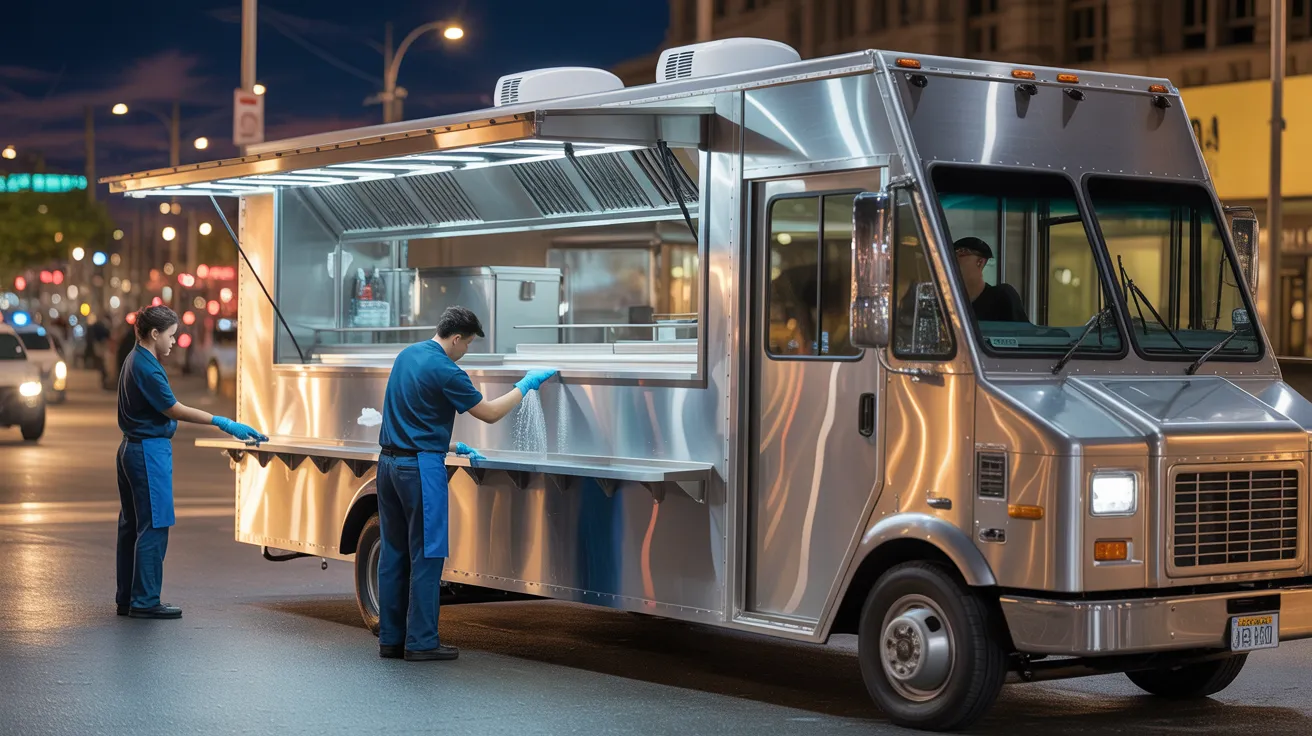
You also need adherent sanitation protocols in supply warehouses, manufacturing facilities, refrigerated storage, bakeries, school feeding programs, reception facilities, and delivery centers. Mobile and temporary operations count too, including food trucks, event vendors, and temporary booths. If your staff prepare raw materials, portion finished foods, warm up meals, or maintain allergen storage, your facility needs established sanitation documentation. In Brampton, cleanliness isn't voluntary; it's part of lawful, functional, and customer safety adherence.
What Services Do Brampton Cleaning Experts Provide?
Professional cleaning teams specializing in Brampton disinfect high-contact surfaces, food preparation areas, floors, and sanitary facilities in compliance with food safety regulations. Emphasis on these spaces stems from extreme cross-contamination risk, potential for accidents, and compliance issues.
Understanding their cleaning procedures allows you to confirm your operation's sanitation satisfies required standards and regulations.
Cleaning High-Touch Surfaces
implement a cleaning frequency
By replacing cloths, following sequential systems, and separating disinfection materials according to area, you sustain a documented, defensible, and ready for inspection disinfection plan.
Food Prep Areas, Flooring, and Sanitary Facilities
Brampton cleaning professionals will handle kitchens, floors, and restrooms since each space presents different food safety concerns, slip-and-fall, and public health challenges. In industrial kitchens, you need grease removal from cooking stations, appliance surfaces, drain systems, preparation areas, and backsplashes to reduce bacterial growth and pest activity.
Floor care that is recorded should equally be anticipated. Technicians scrub and extract buildup from tile grout, ceramic surfaces, and see more vinyl floors, then apply proper moisture management so you can limit falls and meet regulatory standards. They also handle entry points where dampness and dirt enter the building.
For restroom sanitation, cleaners disinfect high-touch surfaces, bathroom fixtures, stall dividers, supply dispensers, and trash receptacles, then replace products and reduce odor. They also service restaurant moprooms, where chemical storage, sink hygiene, and drainage conditions can affect sanitation compliance and staff safety daily.
Food Safety Cleaning Significance for Brampton Businesses
Brampton facilities demand proper hygiene standards to fulfill compliance obligations and pass audits. You also minimize bacterial spread through proper cleaning of food-preparation surfaces, appliances, and frequently-touched items. Most importantly, you help protect community wellness by reducing the chance of food poisoning in your establishment.
Sanitary Standards Adherence
Because Brampton food businesses operate under rigorous sanitary regulations, food safety cleaning directly impacts your capability to fulfill health code requirements, defend customers, and sidestep enforcement action. You must maintain clean food preparation areas, documented cleaning schedules, correct sanitizer application, and documented employee protocols that comply with municipal and provincial inspection expectations.
When inspectors examine your operation, they determine whether your cleaning program supports secure product handling, tool sterilization, garbage disposal, and facility cleanliness.
Cross-Contamination Avoidance
Maintaining health code standards copyrights on your power to stop cross-contamination during daily food handling and cleaning. You need to partition uncooked items from finished dishes, sterilize work zones between assignments, and position cleaning agents away from food surfaces. Clear procedures reduce transfer risks and reinforce steady regulatory adherence.
You could implement allergen segregation to stop main allergens from reaching common areas, containers, or machinery. Apply separate boards, color-marked equipment, and strict utensil labeling so team members avoid blending products during preparation or service. Mandate handwashing after handling uncooked meat, fish, egg products, or allergens. Change wiping cloths regularly, and test disinfectant concentration using strips. When employees learn these procedures each shift, you create a cleaner, safer operation that matches Brampton's safety requirements daily.
Community Health Safety
When sanitation protocols fails, you don't just face inspection failure—you increase the chance of food-related sickness affecting customers, staff, and the wider Brampton community. You also weaken your role in safeguarding community wellness, especially in busy food facilities where contamination can spread quickly through surfaces, equipment, and touchpoints.
You must implement sanitation protocols that eliminate contaminants, effectively sanitize, and ensure effectiveness. This involves maintaining exposure times, utilizing authorized sanitizers, recording schedules, and coaching staff to meet compliance standards. These initiatives promote disease prevention by reducing microbes before affecting food surfaces or hands. In Brampton, effective cleaning shields vulnerable populations, curtails outbreak likelihood, and demonstrates accountability. When you adhere to proper protocols, you go beyond regulations—you substantially reduce risk and advance safer food handling across the region.
How Can Cleaning Practices Ensure Food Safety Compliance?
Committing to thorough cleaning protocols underpins food safety compliance by lowering contamination exposure, preventing pathogen multiplication, and keeping your facility aligned with sanitation requirements under HACCP-based programs and public health regulations. You verify that product-contact areas remain visibly clean and microbiologically controlled, supporting documented preventive controls and inspection readiness.
Systematic cleaning also strengthens allergen management by eliminating residues that can trigger undeclared allergen exposure. When you integrate approved sanitation protocols with regulatory training, your staff can adhere to standardized methods, apply approved chemicals properly, complete records correctly, and manage discrepancies before they escalate. Ongoing cleaning promotes product tracking, establishes remedial measures, and exhibits commitment when audited. Additionally, it assists you safeguard quality assurance, preserve regulatory compliance, and minimize the likelihood of regulatory actions, recalls, grievances, and unnecessary public health risks.
Determining When to Schedule Commercial Cleaning
Develop cleaning plans based on risk, production volume, and regulatory requirements versus relying solely on a set calendar. You should schedule standard cleaning every day
promotional events, catering functions, or public functions should arrange cleaning both [[before and after for optimal event turnaround. Record schedules, check completion, and adjust plans when hazards, volumes, or regulations change
Finding Quality Brampton Cleaning Experts: A Guide
Evaluate providers first by food-safe sanitation requirements rather than cost. You must ensure each provider understands CFIA, public health, and HACCP-aligned expectations for your business. Request insurance proof, WHMIS compliance, staff training documentation, and supervision methods. Check technician understanding of cross-contamination risks, chemical safety, and documented sanitation practices.
You must also evaluate operational reliability and accountability. Seek references from food facilities in Brampton, then assess response times, corrective processes, and communication standards. Ensure the company enables supplier checks and can provide inspection-ready documentation when authorities or third parties demand verification. Verify equipment is maintained, color-coded items are deployed correctly, and site-specific hazards are understood. A qualified provider safeguards compliance, product safety, and your brand reputation.
Which components are contained in a Food Safety Cleaning Plan?
Put together a written program that clarifies every sanitation task, standard, and responsibility before production begins. You should specify cleaning frequencies, approved chemicals, dilution rates, contact times, tools, and verification methods for each zone, surface, and piece of equipment. Add pre-operational inspections, corrective actions, and employee training requirements.
Your plan should also address cross-contamination controls, waste handling, pest-prevention measures, and documented schedules for bathrooms, drainage systems, surfaces, and food-preparation zones. Explain how you'll separate raw and ready-to-eat processes, support ingredient tracking, and maintain accurate allergen labeling through validated cleaning between product changes. You should designate accountability, keep signed records, and compare results against regulatory standards, HACCP controls, and customer requirements. When gaps appear, update procedures immediately and re-educate staff.
Popular Asked Inquiries
Do sanitation providers operate during overnight shifts at Brampton facilities?
If you manage regulated spaces, you'll also need documentation that enable inspections and ensure compliance.
Do Brampton cleaning experts offer emergency spill response services?
Yes, you can locate several Brampton cleaning professionals offering emergency response options. They manage hazardous materials, assess dangers, contain affected areas, and execute rapid cleanup to reduce exposure and limit operational impact. You should confirm timeframes, training credentials, safety measures, and disposal methods. If your facility must meet standards, choose a service that documents incidents, maintains standards, and supports audits.
Can eco-friendly disinfectants be applied securely on food preparation areas?
In essence, green disinfectants are safe for food-handling equipment provided you select products labeled food safe that adhere to regulatory standards. Confirm contact times, mixing proportions, and rinsing needs in advance of use. Botanical formulations reduce chemical burden, although you need demonstration of efficacy against specific pathogens. To preserve surfaces without residue, implement manufacturer directions precisely and confirm the disinfecting agent meets food industry regulations.
Can cleaning schedules be customized for production fluctuations?
Without question, maintenance plans customize readily for seasonal production changes. Adapt schedules, personnel, cleaning agents, and validation steps to correspond to operational cycles while maintaining compliance standards. Reduce production interruptions by scheduling disinfection around production shifts, high demand periods, and operational patterns. Also update written procedures, employee training, and facility monitoring to capture transient threats, emerging allergens, or increased soiling. Ongoing evaluations ensure the strategy efficient.
Are professional cleaning companies providing employee instruction on hygiene protocols?
Indeed, professional cleaners often offer employee coaching on proper hygiene. Your team obtains instruction on safe chemical application, exposure durations, preventing cross-contamination, equipment breakdown, and record-keeping. They generally adhere to instruction with HACCP, GMP, and CFIA or regional health standards criteria. Many perform sanitation audits to confirm standards, reveal issues, and strengthen improvement measures. This assists you to establish reliable processes, achieve compliance, and reduce food safety risks on a daily basis.
Conclusion
Through working with Brampton commercial cleaning and food safety specialists, you do far more than tidy—you ensure your facility for inspections and your standards stay aligned with regulations. From kitchen spaces to processing areas, all maintained surfaces and kept corners help prevent pest problems and avoid major losses. Through booking service on suitable timelines and adhering to a comprehensive cleaning program, you ensure protection for your team, clients, and your good name. Within strict regulatory frameworks, clean conditions cannot be considered optional—they represent good business practice.